This month, my book club is reading The Hunger Games by Suzanne Collins. Although we have all, probably, seen the film, I hope that the other group members are enjoying the read as much as I am. Reading provides more time for thought and reflection on not only the broader story but also the intriguing, and sometimes horrifying, details.

At the same time as I am reading The Hunger Games, I am also keeping up-to-date with the American electioneering news. There is no direct comparison between the two, of course, but there are some shared underlying themes that trouble me.
One theme that is becoming increasingly apparent is that a rich and privileged class, led by a few people who are monstrously wealthy, is pulling all the strings. They control the financial resources and determine where the money is spent. They also control the media and what information is aired for general consumption.
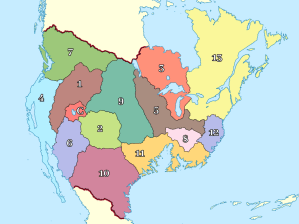
In The Hunger Games, the general population is separated into twelve districts whose peoples are forced to compete against each other during the games. At all other times, they all work separately at different forms of productivity designed to benefit the ruling class in Panem. It is only during the games that they become enemies.
Outside of a general election, the general population in America mostly co-exists harmoniously, going about their work and daily lives peacefully and trying to get along with each other. During a general election, though, they are forced to pick one of two sides and they become convinced that the other side is the enemy. The fact that they have more in common than they have differences becomes irrelevant. It’s a fight to the finish and winning is everything.
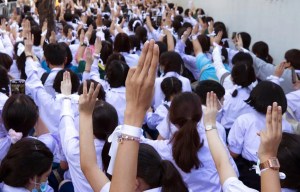
In Panem, the ruling council enjoys the drama of the competition and broadcasts the edited highlights to the general population in the districts. They wager on who will win, and they sometimes provide the contestants with necessary sustenance or a healing balm.
In America, it’s the same. The images are on television, not the sky; the sustenance comes in the form of reassuring promises about work and taxes, not food and water; and soothing platitudes provide some spiritual salve as a kind of medicine.
They give the people what they need and, in return, the people join in the fight. If the contest has a clear winner, the race is not much fun. If the sides are evenly matched, though, the ruling class will enjoy a show that is much more entertaining. Either way, they will come out ahead.
 Snowbird of Paradise
There are sadly many parallels today with dystopian tales.
Yes, for so many of our countries.
Indeed!